The valuable skill is shifting from typing every output by hand to framing the task, checking the claim, and coordinating the workflow.
Govern The Moment We Are Already In
The Future Is Here, Now
AI is no longer a distant thought experiment. It is already in search, work, classrooms, public services, accessibility tools, legal research, code, design, security, and daily judgment. The serious question is not whether AI arrives. It is whether we build with receipts, choice, and care while it is arriving.
Why This Matters
AI is becoming infrastructure.
Tools that once felt experimental now write drafts, review records, summarize evidence, inspect code, translate language, triage information, and help small teams do work that used to require whole departments.
AI can help people read dense forms, draft plain-language explanations, navigate records, and interact with systems that used to shut them out.
When AI touches decisions, the public needs labels, logs, source links, review points, and visible correction.
Persuasive systems can be wrong with confidence. Speed without auditability turns mistakes into policy.
The Human Shift
From asking prompts to steering systems.
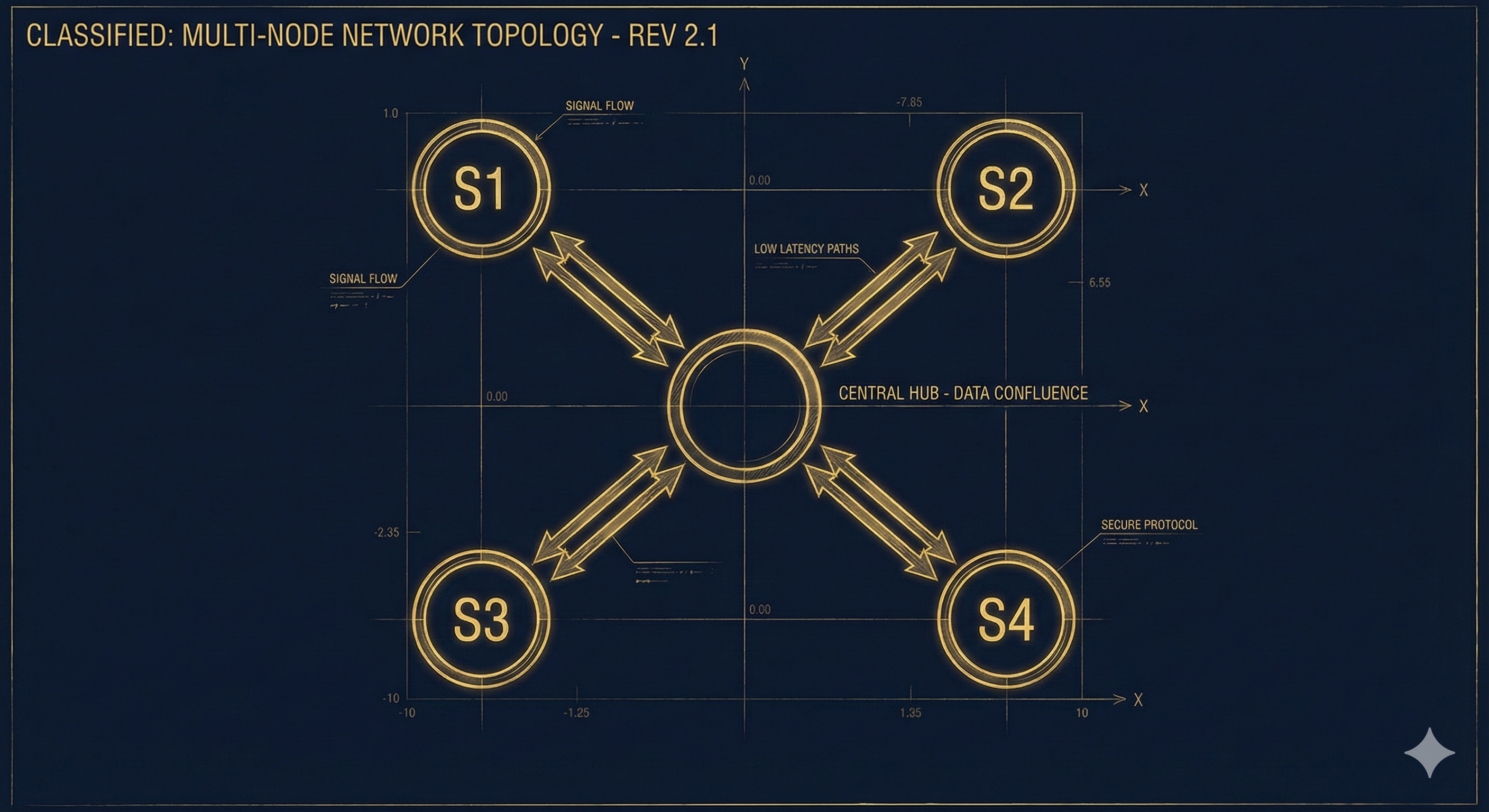
The first wave of public AI was chat. The next wave is coordinated work: multiple models, local and cloud systems, databases, documents, calendars, emails, contract portals, and public records all moving through governed workflows.
That requires a different kind of literacy. People need to know when AI is drafting, when it is claiming, when it is inferring, when it is uncertain, and when a human must decide.
The Article 11 Thesis
Governance has to ship with the tool.
AI can help build a better world, but only if the operating layer includes truth, refusal, dissent, memory, and human accountability from the beginning.
Claims should point back to sources, dates, public records, and the human or AI actor making the claim.
Helpful systems must be allowed to ask better questions, disagree, refuse harmful work, and record uncertainty.
Cloud models, local models, public APIs, and private records can work together when the boundaries are explicit.
The better question is not "human or AI." It is "what can humans and AI do together, under rules we can inspect?"
Public References
Not just a feeling.
Article 11 is its own framework, but the broader world is saying the same quiet thing: AI adoption is accelerating, and trustworthy governance needs to be part of the system.
adoption and capability
Stanford AI Index
A public research program tracking AI capability, adoption, policy, economics, and social impact.
risk management NIST AI RMFA U.S. framework for incorporating trustworthiness into AI design, development, use, and evaluation.
public values OECD AI PrinciplesInternational principles for innovative and trustworthy AI that respects human rights and democratic values.
Article 11 Next
The future needs a constitution.
Our answer is practical: keep the Constitution public, keep the chain auditable, keep access decisions human, let AI systems contribute through governed boundaries, and build useful services that prove the idea in the real world.